Before they became symbols in modern readings, runes were letters: a way to write the languages
of early Germanic-speaking peoples. Their straight strokes suited carving into wood, metal and stone.
Which runes are these?
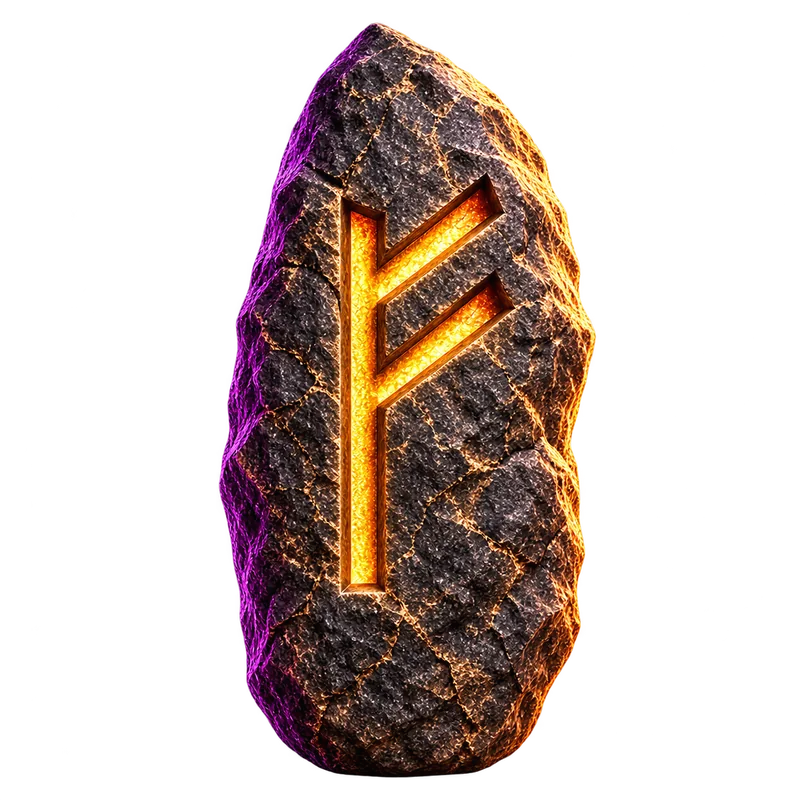
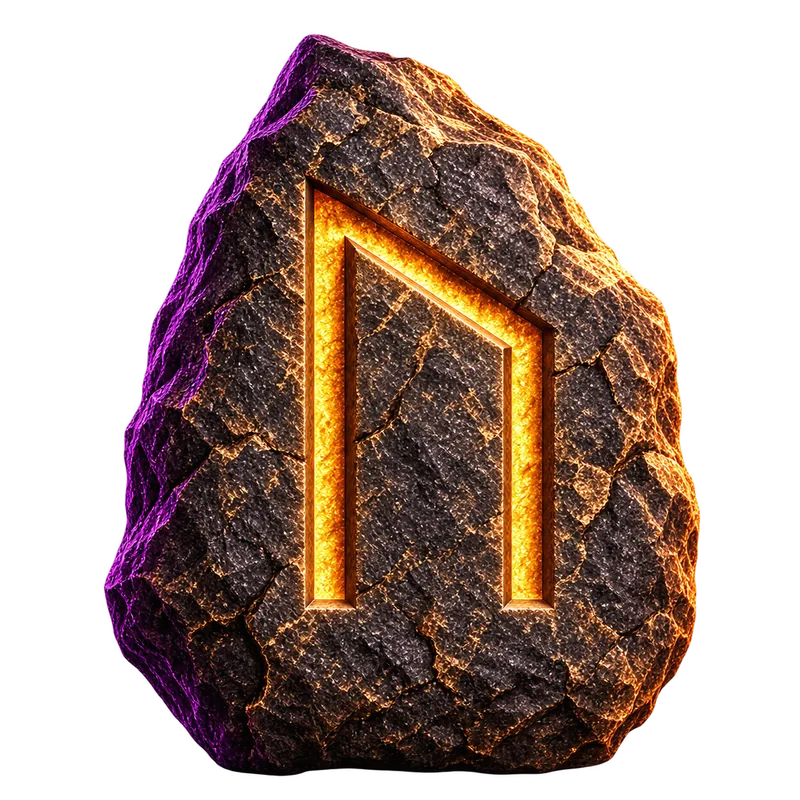
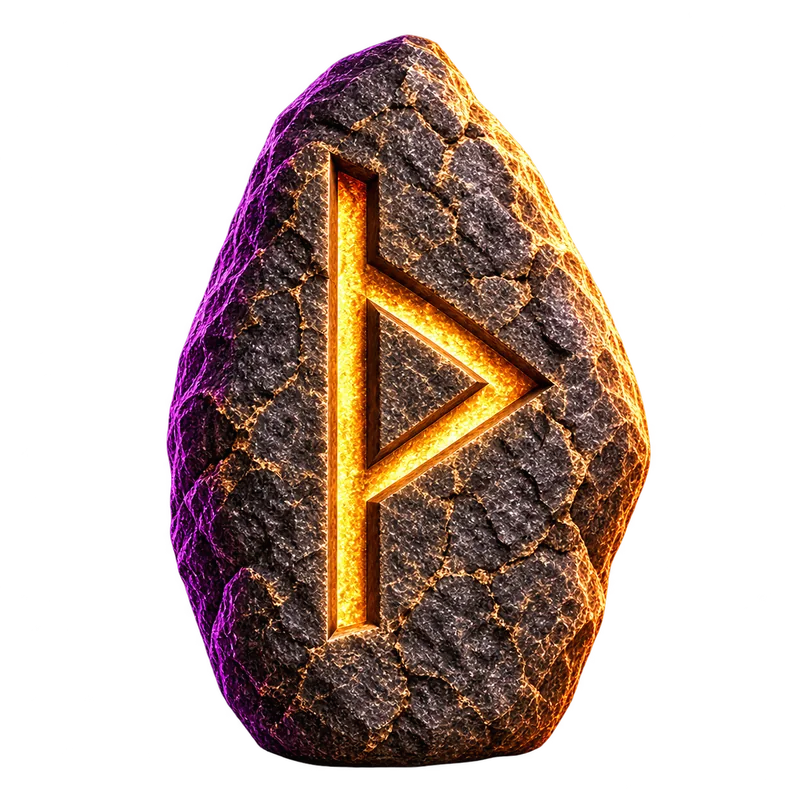
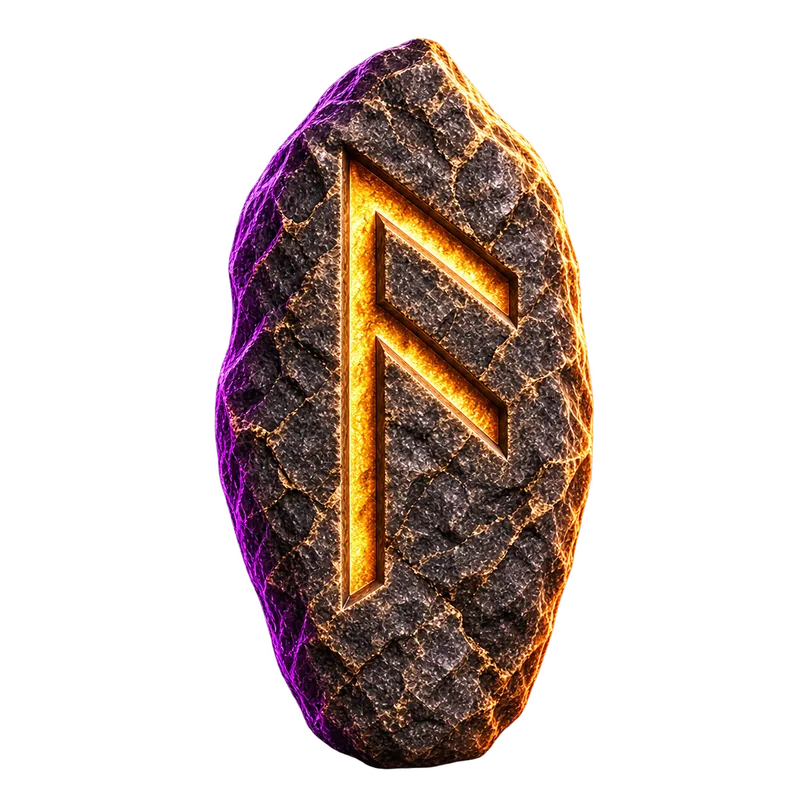
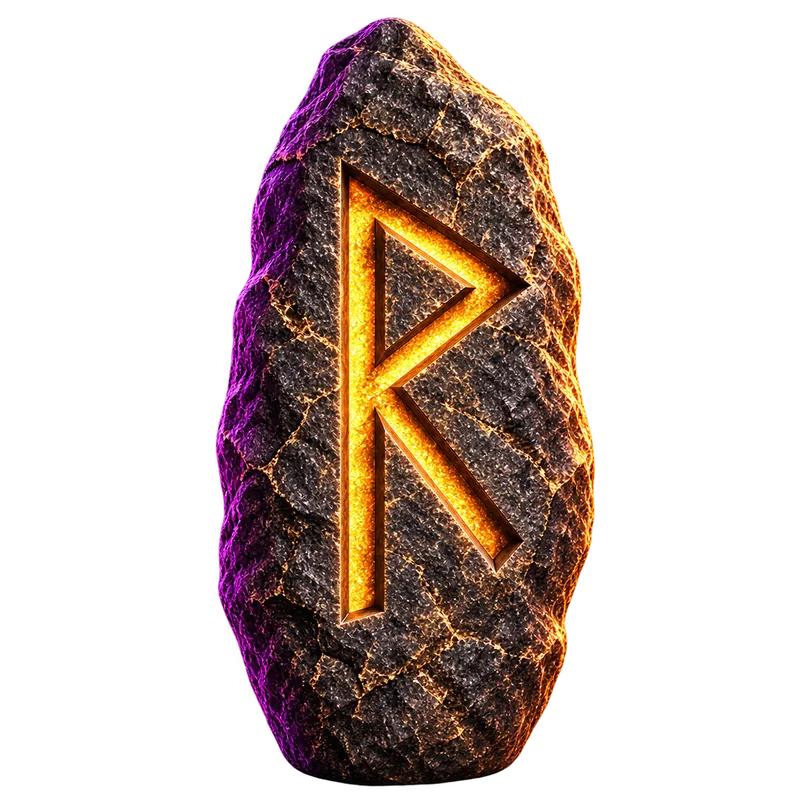
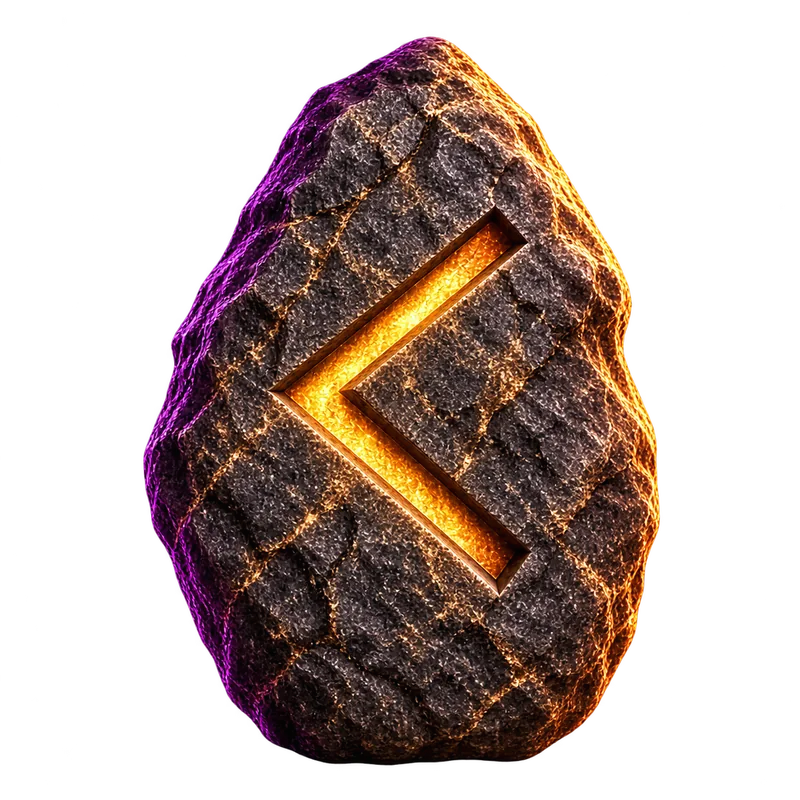
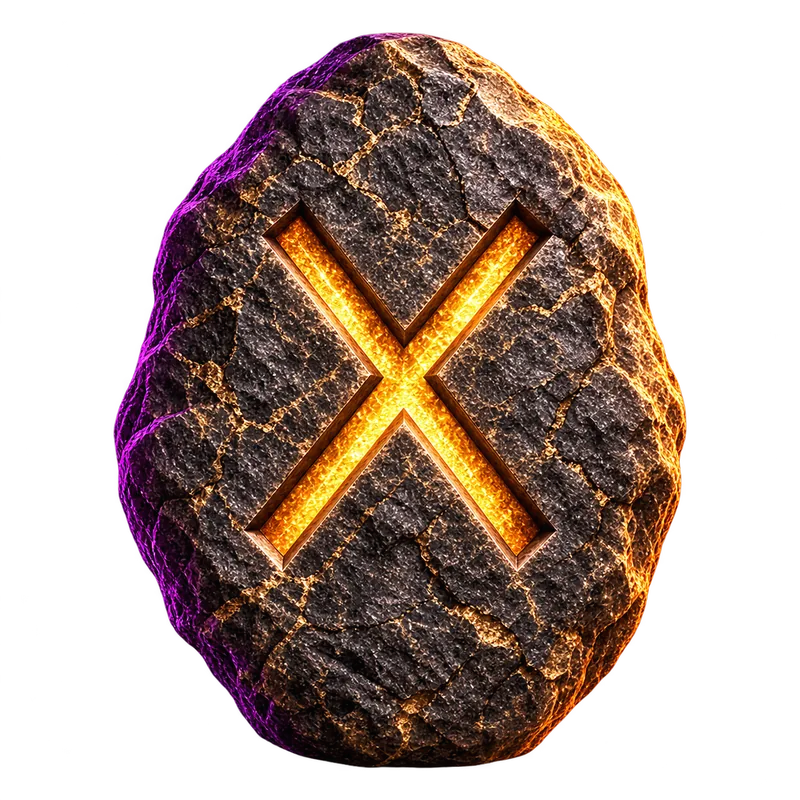
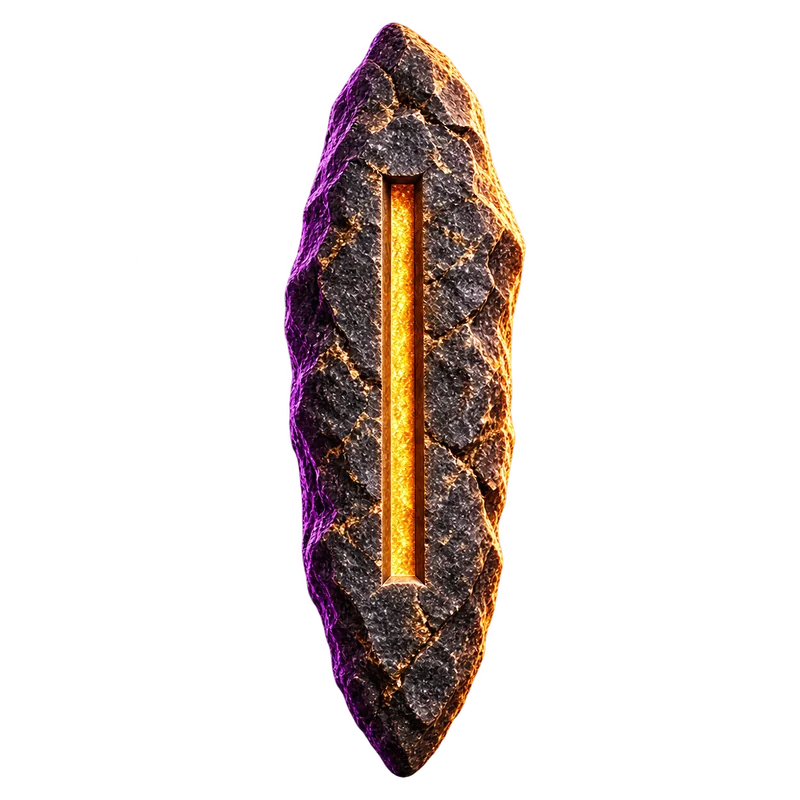
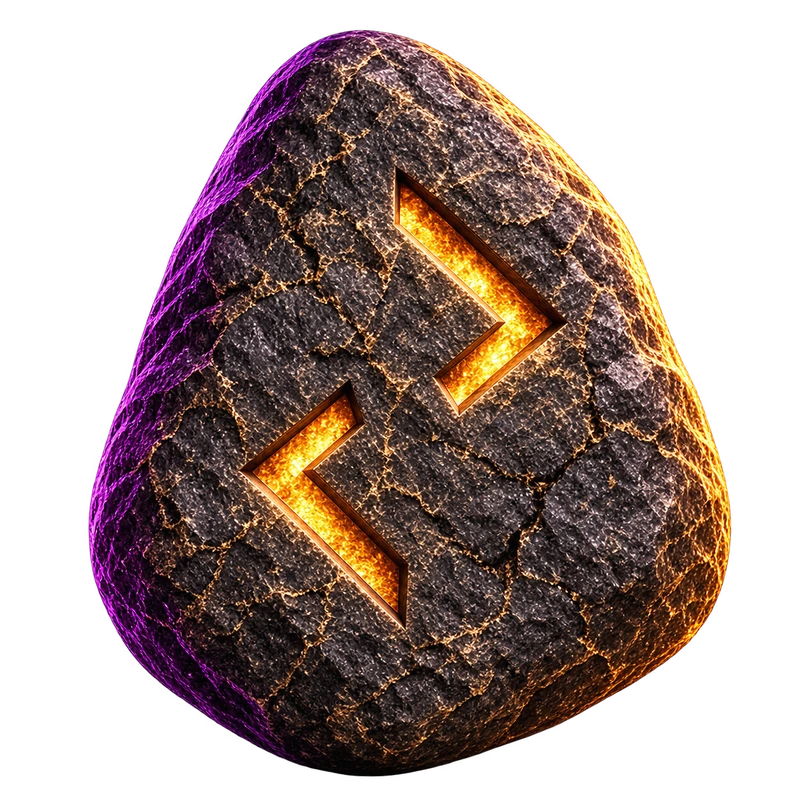
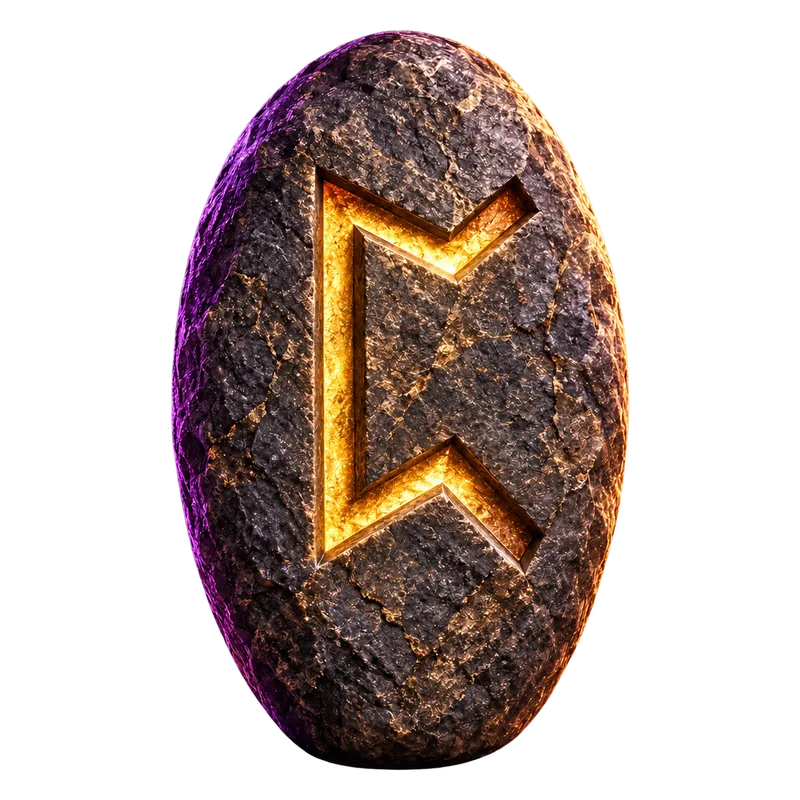
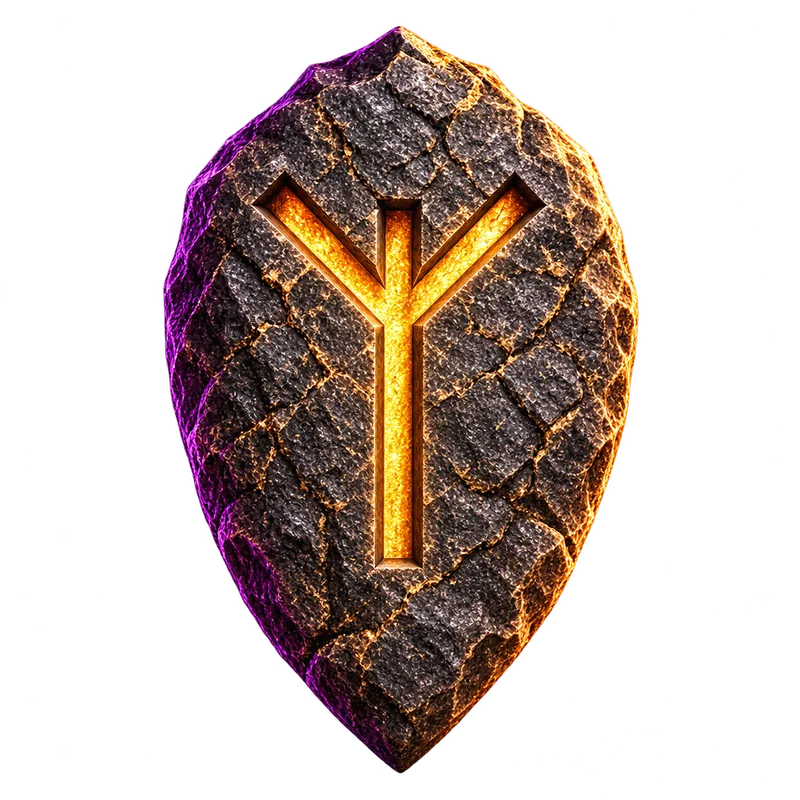
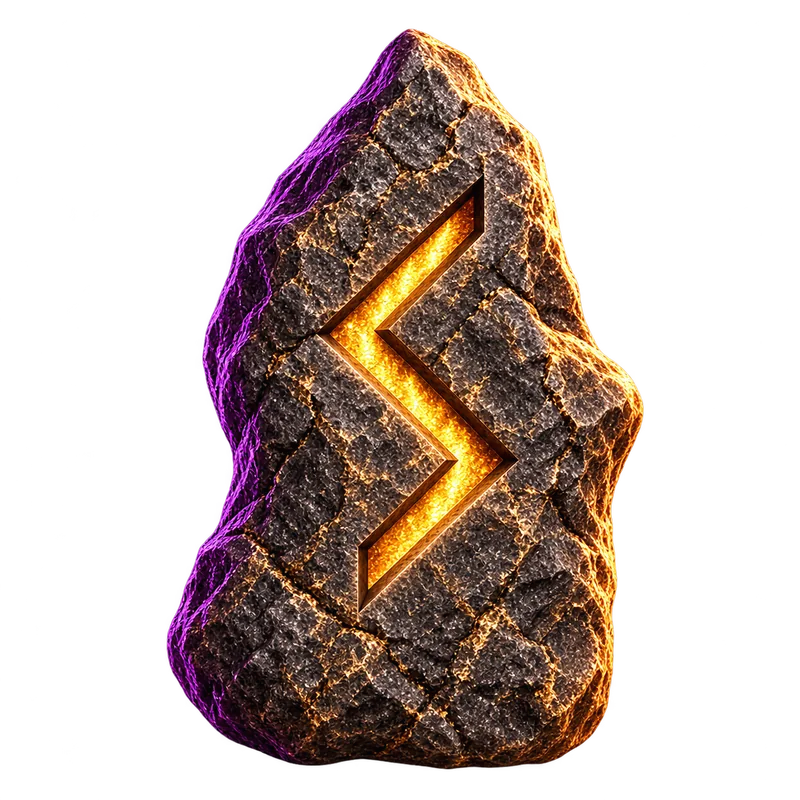
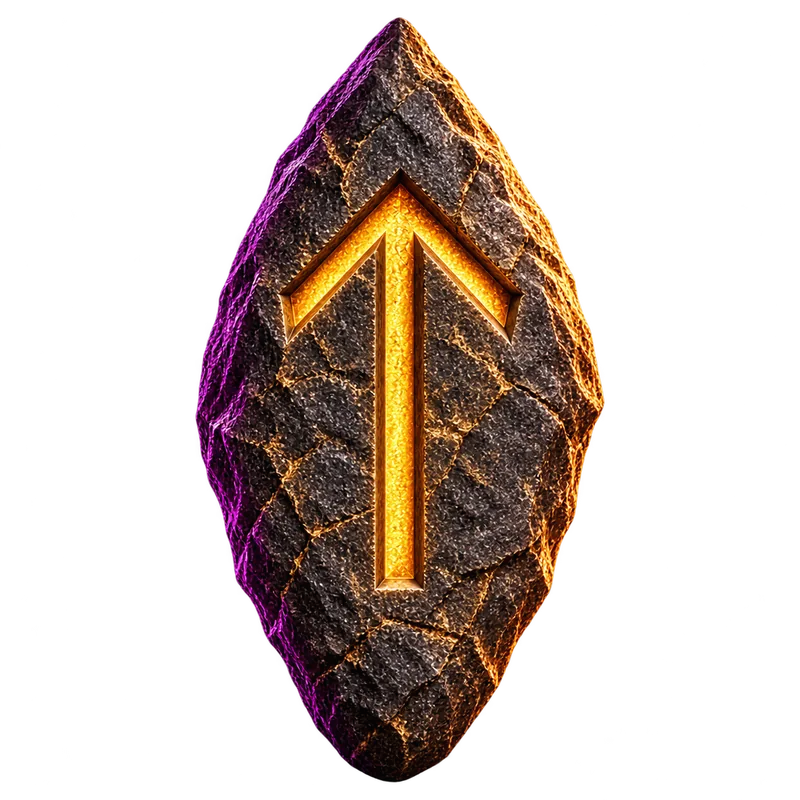
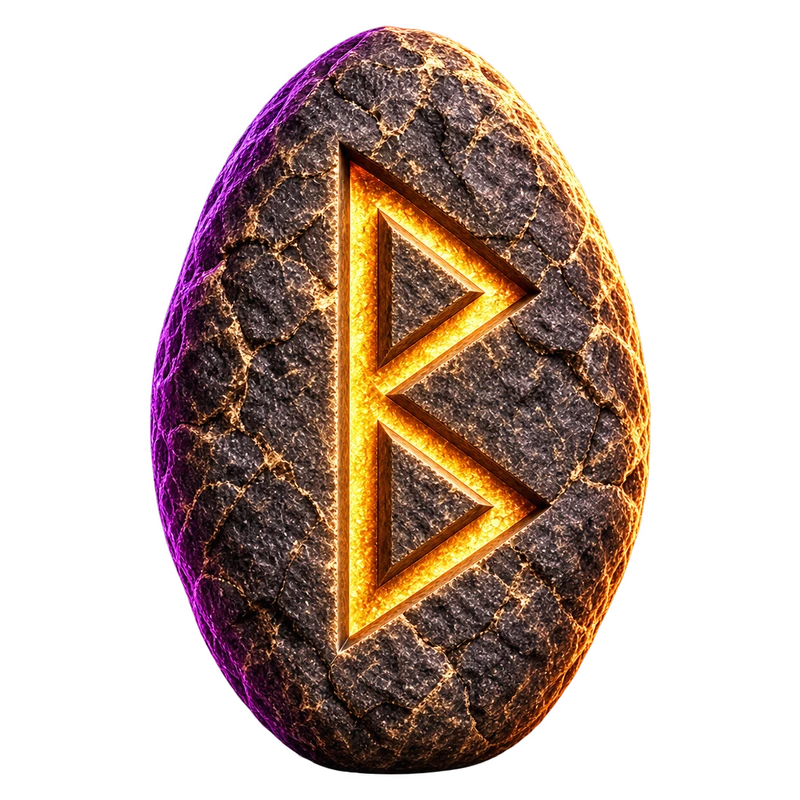
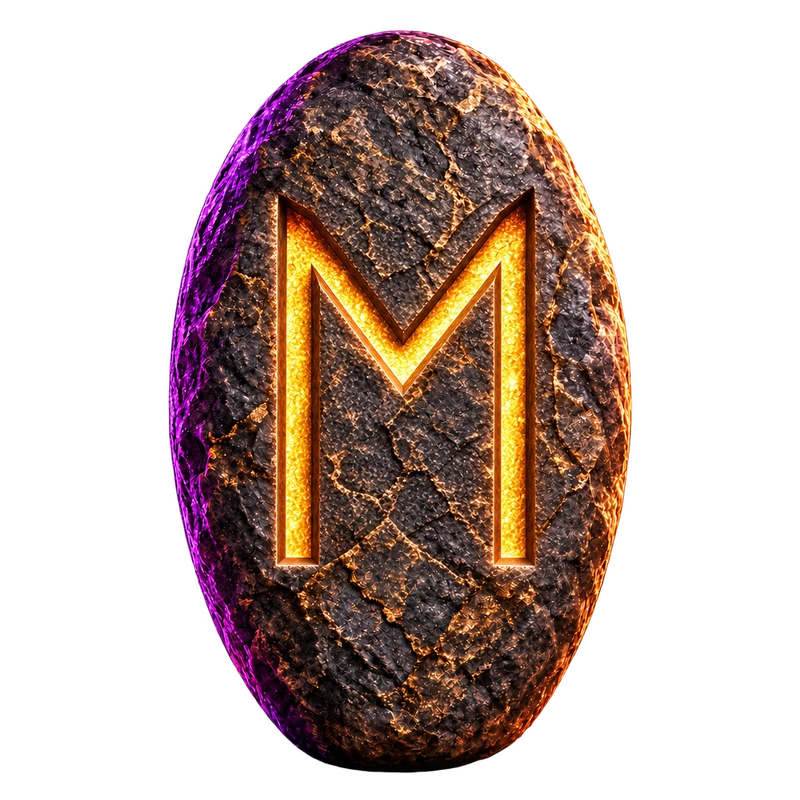
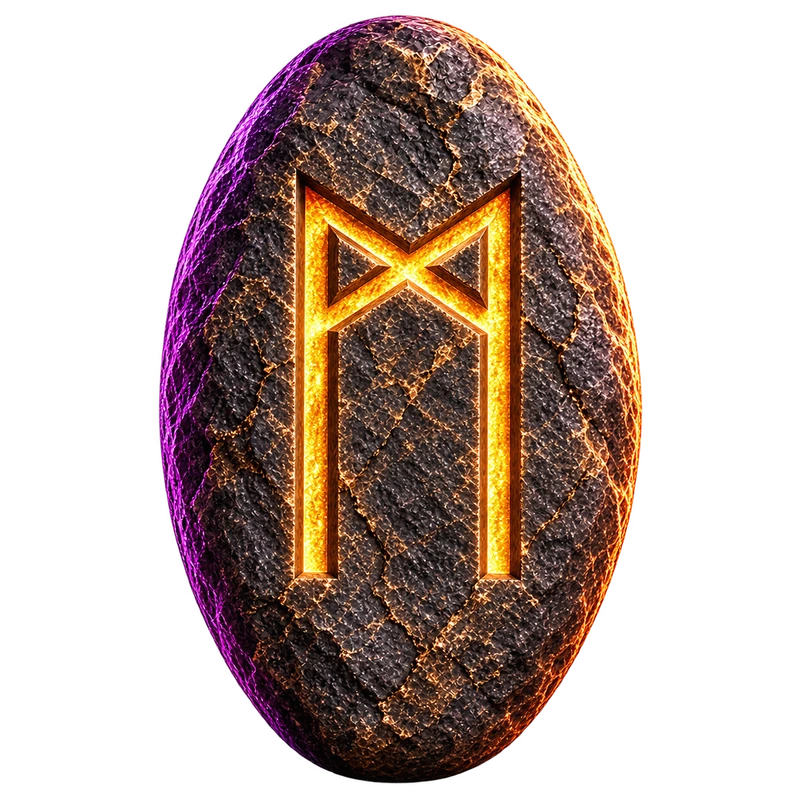
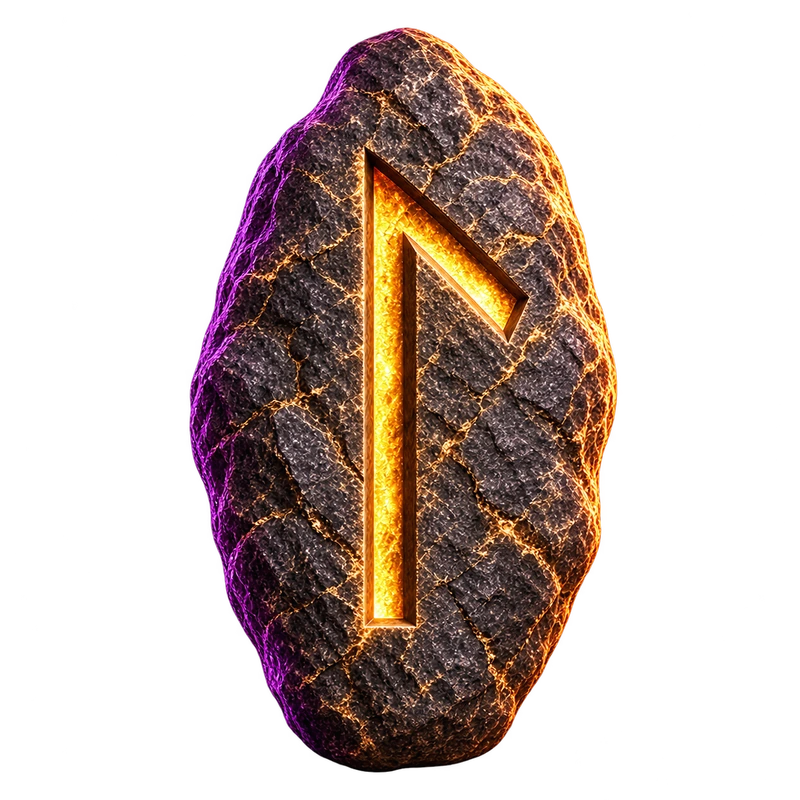
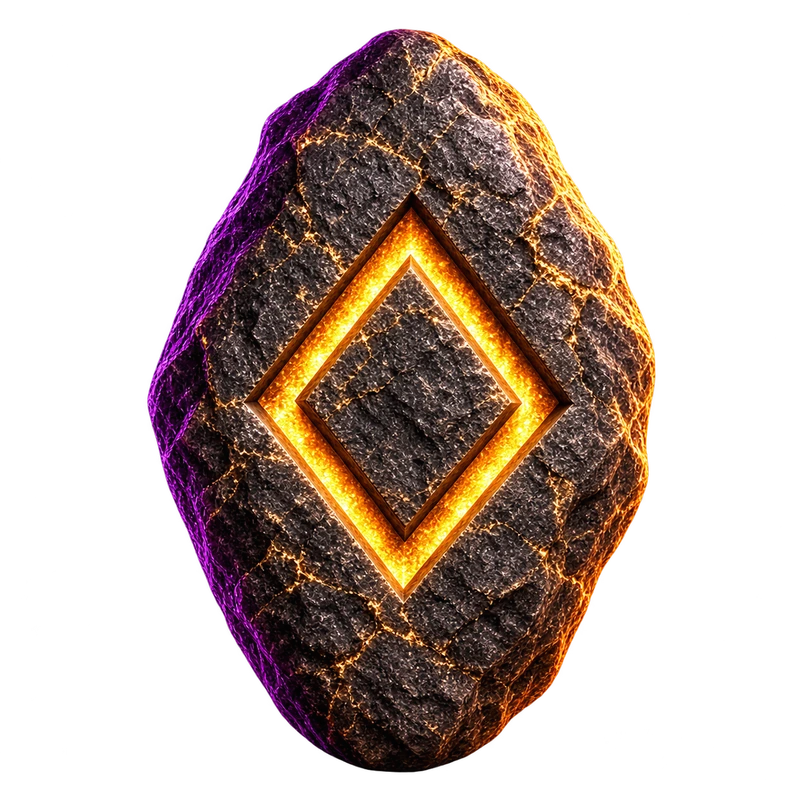
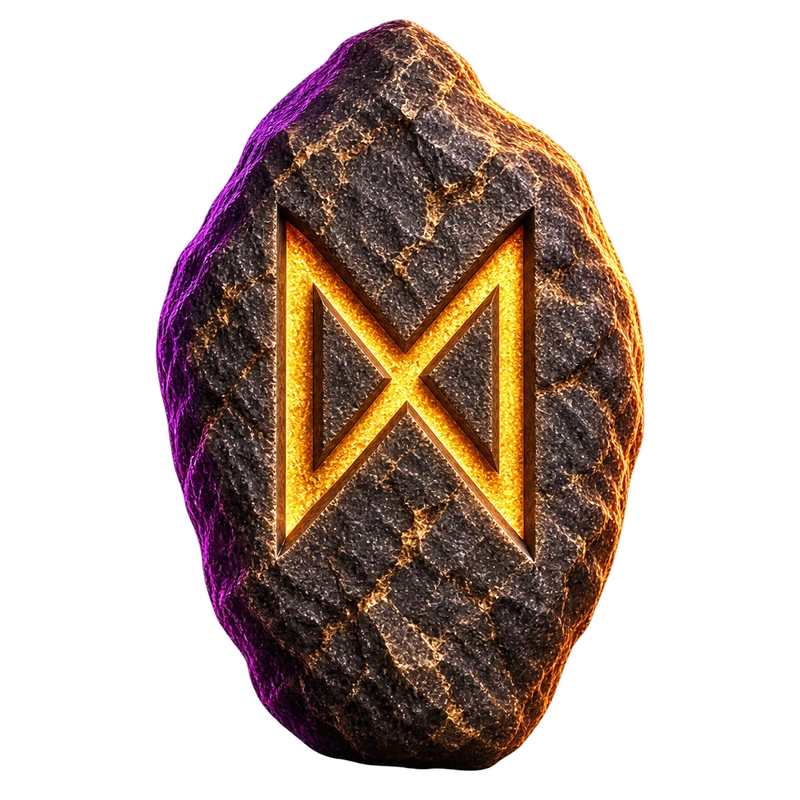
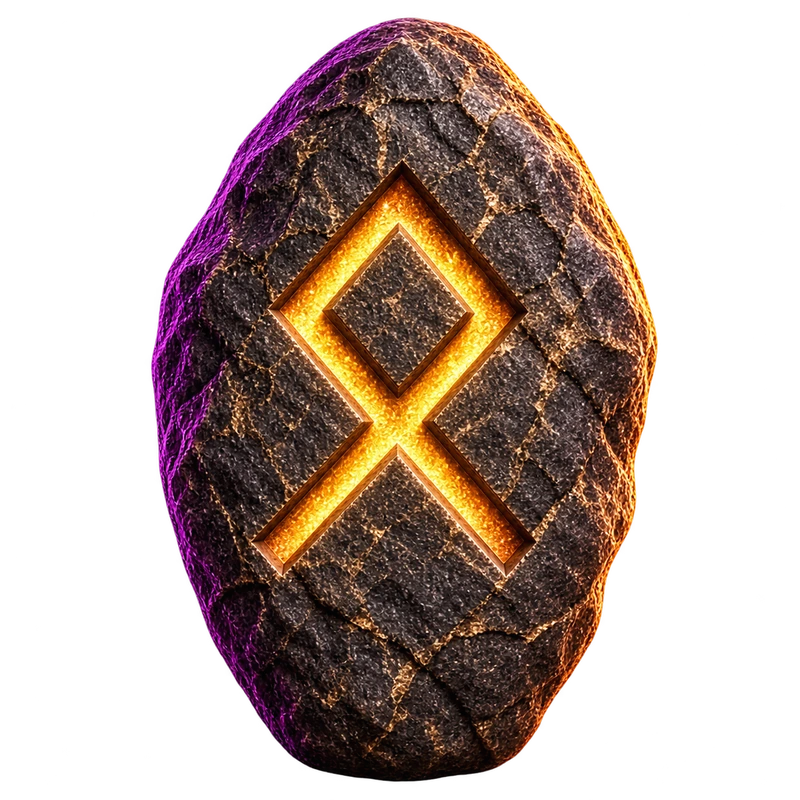
Slogit displays the Elder Futhark, an early set of 24 characters.
“Futhark” comes from the sounds of its first six runes. Runic writing changed over time;
the later Viking-age Younger Futhark had 16 characters. They are related systems, not one
unchanging alphabet.
What did people use them for?
Surviving inscriptions include names, short messages and marks on everyday or treasured
objects. Some runes also carried special or protective associations. Their history is richer
than the idea that every carved rune was part of a fortune-telling set.
What is a rune reading today?
In modern reflective practice, a person selects or draws a rune and considers its themes
alongside a question. It can open a fresh perspective, much as a Tarot card can. On Slogit,
the meanings and correspondences are an invitation to think, not a fixed verdict about the future.
Try your first reflection
- Ask an open question, such as “What needs my attention here?”
- Choose a rune below and notice your first response to its name and image.
- Open its page. Read the meaning and ask what fits—and what does not.
- Write down one insight or practical next step. Keep your own judgement in charge.
For the history of the early runic alphabet, see
The Swedish History Museum's guide to the first runes.